Injury Guide
Find the support, recovery tools, and step-by-step treatment paths for the injuries our customers face most.
-

Achilles Tendinitis
Learn More: Achilles TendinitisDefinition Inflammation of the Achilles tendon (tendon connecting the two major calf muscles- the gastrocnemius and soleus-to the heel bone). Causes Tight or fatigued calf muscles may put excess stress on the Achilles tendon, causing fraying, tearing or inflammation of the tendon. Overpronation, excessive hill running, or simply overtraining may contribute to Achilles tendinitis. Symptoms…
-

Ankle Sprain
Learn More: Ankle SprainDefinition The stretching or tearing of ligaments on the outside or lateral aspect of the ankle. Causes The sudden turn of the foot, typically down and inward, may cause an ankle sprain. This often occurs when weight is applied to a foot that is on an uneven surface and foot “rolls in”, or experiences an…
-

Back Pain
Learn More: Back PainDefinition A low back strain is the tearing or excessive stretching to the muscle fibers of the lower back. Medical Definition for Lumbar Sprain: A lumbar sprain is the tearing of lower back ligaments away from their attachments. Causes Heavy lifting, improper posture, sudden movement or twisting, excess body weight, weak stomach muscles. Symptoms Pain…
-

Blisters
Learn More: BlistersDefinition A blister is a small pocket of fluid within the upper layers of the skin. Causes Blisters are formed when the skin is damaged, caused by rubbing and friction from shoes or clothing. Symptoms The first sign of blisters will be redness over the skin, for example, in areas such as the back of…
-

Carpal Tunnel Syndrome
Learn More: Carpal Tunnel SyndromeDefinition Condition where the median nerve is impinged or prevented from working properly. This is most often attributed to excessive pressure on the nerve as it runs into the wrist through an opening called the carpal tunnel. Causes Sports requiring the participant to grasp an object or keep the wrist bent up or down, as…
-

Chondromalacia
Learn More: ChondromalaciaDefinition Wearing away and/or softening of the articular cartilage, which is a connective tissue that covers and protects the underside of the patella, the bottom end of the femur, and top end of the tibia. It absorbs stress to the knee joint and allows the patella to track smoothly in its femoral groove. Causes Excessive…
-
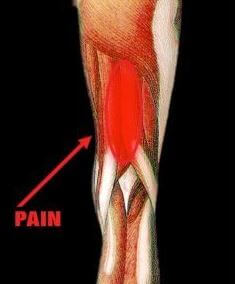
Hamstring Strain or Tear
Learn More: Hamstring Strain or TearDefinition The hamstring consists of three muscle groups, including the semimembranosus, semitendinousus, and the biceps femoris. A hamstring strain occurs when excessive or repetitive stress causes tearing of the muscle fibers in the hamstring. Causes Tight hamstring muscles, muscle imbalance, sudden movement, and repetitive strain are all common types of hamstring injuries. Symptoms A sharp…
-

Iliotibial Band Syndrome
Learn More: Iliotibial Band SyndromeDefinition Inflammation of the Iliotibial Band. (The lliotibial Band is a tough, fibrous tissue that runs from the hip to the outside of the knee). Causes Excessive pronation, leg length discrepancy, bowed legs, and lateral pelvic tilt may cause excessive stress to the Iliotibial Band. This, in turn, may cause a lateral pull on the…
-

Lateral Epicondylitis (Tennis Elbow)
Learn More: Lateral Epicondylitis (Tennis Elbow)Definition Inflammation of the muscles and tendons on the lateral (outside) of the elbow. Causes Chronic stress of the muscles and tendons that bend the hand backward (tennis backhand). This can result in microtears in the tendon and lead to pain and inflammation on the lateral side of the elbow. Symptoms Pain and tenderness in…
-

Ligament (ACL) Injury
Learn More: Ligament (ACL) InjuryDefinition Tearing of the ACL. The ACL is a ligament that connects the tibia (shinbone) to the femur (thighbone) crossing in the middle of the knee and is necessary to help stabilize the knee joint area. Causes ACL injuries may occur in many different situations but are often caused by a sudden hit to the…
-
Ligament (MCL) Injury
Learn More: Ligament (MCL) InjuryDefinition Tear to the medial collateral ligament. The MCL is located on the inside of the knee, while the lateral collateral ligament(LCL) is located on the outside of the knee. Injury to the MCL is more common than injury to the LCL. Causes Twisting injury to the knee or a blow to the outside of…
-

Medial Epicondylitis (Golfer’s Elbow)
Learn More: Medial Epicondylitis (Golfer’s Elbow)Definition Inflammation of muscles and tendons on the medial (inside) of the elbow. Causes Chronic stress of the muscles and tendons that bend the hand inward. This can result in microtears in the tendon and lead to pain and inflammation on the medial side of the elbow. Symptoms Pain and tenderness in the medial elbow…
-
Meniscal Tear
Learn More: Meniscal TearDefinition Tear to either the medial or lateral meniscus. The meniscus is the shock absorbing cartilage in the center of your knee. Traumatic Causes A sudden hit to the outside of the knee area may cause a tear to the meniscus. Degenerative Over time the meniscus may deteriorate or soften, increasing the likelihood of injury.…
-

Metatarsalgia
Learn More: MetatarsalgiaDefinition Pain in the metatarsal region of the foot caused by conditions of “fallen metatarsal arch”, “ball of foot” pain, Morton’s Neuroma (irritated nerve endings), and bursitis. Causes Repetitive strain, excessive running and/or poor biomechanics may lead to metatarsalgia. Symptoms Pain in the forefoot region, especially felt when walking or running. Treatment Seek evaluation from…
-

Nipple Chafing
Learn More: Nipple ChafingDefinition Chafing is a soreness or irritation of the skin caused by rubbing or friction. Causes Chafing occurs as a result of sweating and friction from body parts rubbing together, or friction from clothing. Symptoms Painful stinging or burning sensation on and around nipple area. Prevention Use LiquiCell® Nipple Protectors during runs and other activities.
-

Osgood-Schlatter’s Disease
Learn More: Osgood-Schlatter’s DiseaseDefinition Enlarged tibial tuberosity causing inflammation of the patellar tendon at the location where the patellar tendon inserts into the tibial tubercle. Common in young, male athletes. Causes During growth spurts in young athletes, the quadriceps muscle, which is much stronger than the patellar tendon, can pull away the patellar tendon from the tibia, causing…
-

Osteoarthritis
Learn More: OsteoarthritisDefinition Degenerative joint disease. Osteoarthritis is the most common form of arthritis. Causes Deterioration of cartilage in the joint. This may be hereditary, due to excessive pressure on a joint over time, or simply caused by years of usage. Symptoms: Joint pain or loss of joint function. Symptoms Joint pain or loss of joint function.…
-

Osteoarthritis (Hand/Wrist)
Learn More: Osteoarthritis (Hand/Wrist)Definition Degenerative joint disease. Osteoarthritis is the most common form of arthritis. Causes Deterioration of cartilage in the joint. This may be hereditary, due to excessive pressure on a joint over time, or simply caused by years of usage. Symptoms Joint pain or loss of joint function. Treatment Exercise to promote joint mobility (Be sure…
-

Patellar Subluxation and Dislocation
Learn More: Patellar Subluxation and DislocationDefinition Subluxation – The patella partially coming off of its track. Dislocation – The patella entirely coming off of its track. Causes Patellar Subluxation may be caused by Iliotibial Band Syndrome, trauma-such as a twisting injury, or general malalignment of the patella. Patellar Dislocation is usually due to a traumatic injury – such as a…
-

Patellar Tendinitis
Learn More: Patellar TendinitisDefinition Inflammation of the patellar tendon (ligament). The patellar tendon is actually a ligament that connects the patella (kneecap) to the tibia (shinbone). Causes Most commonly Overuse. This tendon absorbs much force, and repeated stress often times due to extensive jumping or running can cause tiny micro tears in the patellar tendon. Tight Hamstrings and…
-
Patello-Femoral Pain
Learn More: Patello-Femoral PainDefinition Pain associated with maltracking of the patella (kneecap). Can lead to subluxation or chondromalacia. Causes Any activity that causes repetitive strain to the knee area, such as excessive running. Improper foot biomechanics (pronation) may also strain the knee, effecting the tracking of the patella. Symptoms Dull ache in front of knee. Pain under and…
-

Plantar Fasciitis
Learn More: Plantar FasciitisDefinition Tearing, excessive stretching, and/or inflammation of the plantar fascia (a tough, fibrous band of tissue that runs along the bottom of the foot with attachments to the heel bone and to the base of the toes). Causes Overpronation, long distance running, aging, and weight gain can all contribute to excessive stress on the plantar…
-

Shin Splints
Learn More: Shin SplintsDefinition Inflammation of the soft tissue on the inside, front portion of the tibia (shin). Causes Stress on the shinbone and connective tissue which can be caused by upper leg muscle weakness, activity on uneven terrain, downhill running, and improper running shoes. Symptoms Tenderness extending along a vertical distance on the medial(inside), lower half of…
-

Toe Injuries
Learn More: Toe InjuriesDefinition Toenail loss, abrasions and blisters. Causes May be caused by repetitive rubbing or sliding of the toe within the shoe. Symptoms Blackening of toenail, actual toenail loss, blisters. Prevention Properly fitted shoes. Protective “second skin” such as Toe Caps. Rest and reduction of activity to promote healing.